

Hey there! As a supplier of household energy storage batteries, I've seen firsthand the importance of preventing these batteries from over - discharging. Over - discharging can not only shorten the battery's lifespan but also lead to safety issues. So, in this blog, I'm gonna share some practical tips on how to keep your household energy storage battery in tip - top shape and avoid over - discharging.
Understanding Over - Discharging
First off, let's talk about what over - discharging actually is. When a battery is over - discharged, it means that it's been drained beyond its recommended minimum voltage level. For most household energy storage batteries, there's a specific voltage range within which they should operate. Once the voltage drops below this lower limit, it can cause irreversible damage to the battery cells.
For example, lithium - ion batteries, which are commonly used in household energy storage systems, are pretty sensitive to over - discharging. If you constantly let these batteries go below their safe voltage, the chemical reactions inside the cells can become unbalanced. This can lead to the formation of metal deposits on the electrodes, which reduces the battery's capacity and can even cause short - circuits in severe cases.
Set Up a Battery Management System (BMS)
One of the most effective ways to prevent over - discharging is by using a Battery Management System, or BMS for short. A BMS is like the brain of your battery system. It constantly monitors the battery's voltage, current, and temperature. When it detects that the battery is approaching its minimum safe voltage, it can take action to stop the discharge process.
For instance, a good BMS can cut off the power supply to the connected devices. This ensures that the battery doesn't get drained any further. Some advanced BMSs also have features like cell balancing. This means that they can equalize the charge levels of individual cells in a battery pack, which helps to prevent some cells from being over - discharged while others are still relatively full.
As a supplier, I always recommend using a high - quality BMS with our All In One LFP Battery Storage System. It's designed to work seamlessly with the battery and provides reliable protection against over - discharging.
Implement a Discharge Cut - off Voltage
Another simple yet effective method is to set a discharge cut - off voltage. This is a pre - determined voltage level at which the battery stops discharging. You can usually adjust this setting on the battery's control panel or through the BMS.
For example, if your battery has a recommended minimum voltage of 2.5 volts per cell, you can set the discharge cut - off voltage a little higher, say 2.7 volts per cell. This provides a safety margin and helps to ensure that the battery never reaches a dangerous over - discharged state.
However, it's important to note that setting the cut - off voltage too high can also be a problem. It might prevent you from using all of the available energy in the battery, which can reduce the overall efficiency of your energy storage system. So, you need to find the right balance based on the specific type and capacity of your battery.
Monitor Your Energy Usage
Keeping an eye on your energy usage is crucial for preventing over - discharging. You should have a clear understanding of how much energy your household appliances consume and how long your battery can supply that energy.
For example, if you know that your refrigerator uses 100 watts per hour and your battery has a capacity of 5000 watt - hours, you can calculate how long the battery can power the fridge. By monitoring your energy consumption in real - time, you can make informed decisions about which appliances to use and when to use them.
There are many energy monitoring devices available on the market that can help you with this. These devices can connect to your battery system and provide detailed information about your energy usage patterns. This way, you can avoid using too many high - power appliances at once, which could quickly drain the battery and lead to over - discharging.
Use a Backup Power Source
Having a backup power source can be a great safety net to prevent over - discharging. For example, you can connect your household energy storage system to the grid or a generator.
When the battery's charge level gets low, the backup power source can automatically kick in and take over the power supply to your home. This not only protects the battery from over - discharging but also ensures that you have a continuous supply of electricity.
If you're interested in a large - scale energy storage solution that can work well with a backup power source, check out our 40ft HC Energy Storage Container. It's designed for commercial and industrial use but can also be a great option for some larger households.
Regular Maintenance and Inspections
Regular maintenance and inspections of your battery system are essential. You should check the battery's physical condition, such as looking for any signs of damage or leakage. You also need to test the battery's performance regularly to make sure it's still operating within the recommended parameters.
For example, you can use a battery tester to measure the battery's voltage, capacity, and internal resistance. If you notice any significant changes in these values, it could be a sign of a problem. Maybe the battery is starting to degrade, or there could be an issue with the BMS.
In addition, make sure to follow the manufacturer's maintenance guidelines. This might include things like keeping the battery clean, storing it in a suitable environment, and replacing any worn - out components.
Choose the Right Battery Chemistry
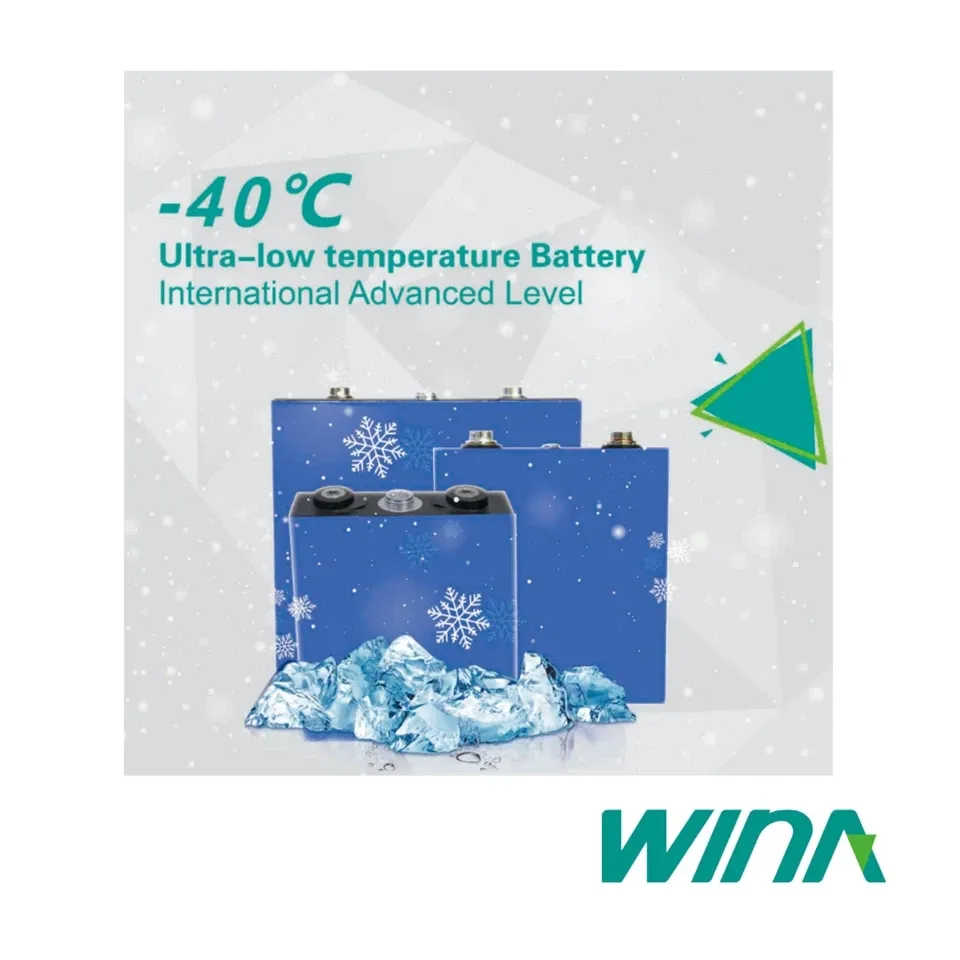
The type of battery chemistry you choose can also have a big impact on its resistance to over - discharging. For example, our Cryogenic Rate LFP Battery Cell uses Lithium Iron Phosphate (LFP) chemistry.
LFP batteries are known for their excellent thermal stability and long cycle life. They are also more tolerant of over - discharging compared to some other lithium - ion chemistries. This means that even if they accidentally get discharged a bit lower than the recommended level, they are less likely to suffer permanent damage.
Conclusion
Preventing over - discharging of your household energy storage battery is crucial for its performance, lifespan, and safety. By following these tips, such as using a BMS, setting a discharge cut - off voltage, monitoring your energy usage, having a backup power source, performing regular maintenance, and choosing the right battery chemistry, you can ensure that your battery system works efficiently and reliably for years to come.

If you're interested in learning more about our household energy storage batteries or have any questions about preventing over - discharging, don't hesitate to reach out. We're always here to help you make the best choice for your energy storage needs and guide you through the purchasing process.
References
- Battery University: A comprehensive resource on battery technology and maintenance.
- Industry reports on energy storage systems and battery safety.